
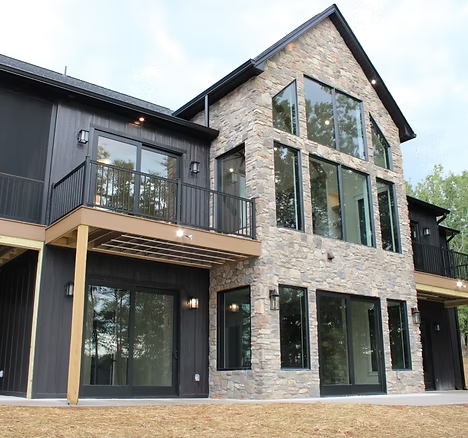
Exterior Walls Built for Long-Term Protection
Siding & Rock Installation in the Lynchburg area for homes showing weathered facades or inadequate insulation
Lexteriors installs professional siding and decorative rock exterior systems in Lynchburg, Appomattox, Altavista, and surrounding areas, providing homeowners with upgraded weather resistance and improved thermal performance. This service matters for properties experiencing drafts near exterior walls, visible moisture damage on existing cladding, or outdated materials that no longer protect the structure adequately. The installation addresses both the functional barrier between your home and the elements and the visible curb appeal that defines property value.
The process involves removing compromised materials, inspecting and repairing the underlying sheathing when necessary, and securing new siding or decorative stone using fastening patterns designed for wind resistance and thermal expansion. Material choices affect how the facade responds to Lynchburg's seasonal temperature swings and humidity levels, with options ranging from engineered composites that resist moisture penetration to natural stone veneers that add textural depth without requiring structural reinforcement.
Schedule a property evaluation to review material options and identify any underlying issues that should be addressed during installation.
What Proper Exterior Cladding Installation Requires
Professional installation begins with substrate preparation, including moisture barrier integration and flashing around openings that prevent water intrusion behind the finished surface. Each panel or stone piece is positioned with deliberate overlap or joint spacing that accommodates movement without creating gaps, and fasteners are placed at manufacturer-specified intervals to distribute load evenly across the wall assembly.
Once installation is complete, you notice exterior walls that shed water effectively during rainstorms, reduced drafts near windows and corners where old cladding allowed air infiltration, and a consistent appearance across the facade without warping or misaligned seams. The improved insulation layer often results in more stable indoor temperatures and lower heating costs during winter months, while the finished surface resists fading and moisture damage that previously required frequent touch-ups.
The scope includes trim work around windows and doors, corner detailing that matches the primary material, and sealing penetrations where utilities enter the home. Options for decorative accents or mixed-material designs allow customization that reflects architectural style without compromising the weather-resistant envelope, and color selection affects long-term maintenance since darker tones absorb more heat and may require different fastening considerations in direct sun exposure.
What Homeowners Usually Ask Before Installation
Exterior cladding projects involve material selection, preparation work, and installation techniques that vary based on your home's existing structure and the finish you want to achieve.
Lexteriors provides material recommendations based on your home's design and exposure conditions, along with detailed estimates that outline preparation work and installation steps. Request an exterior improvement consultation to review options that balance durability with the appearance you want to achieve.
What material performs best in Lynchburg's climate?
Engineered siding resists moisture absorption during humid summers, while stone veneer provides thermal mass that moderates temperature swings, making material choice dependent on whether your priority is low maintenance or energy performance.
How is the underlying structure prepared before new siding goes up?
Installers inspect sheathing for rot or damage, replace compromised sections, install a weather-resistant barrier, and integrate flashing around all openings to create a continuous drainage plane behind the finished surface.
What changes after the installation is finished?
You see a uniform exterior without gaps or misaligned panels, experience fewer drafts near exterior walls, and notice that rainwater sheets off the surface instead of pooling or penetrating seams.
When should decorative rock be used instead of traditional siding?
Stone veneer works well for accent walls, foundation coverage, or architectural features where added texture creates visual interest, though it requires a secure substrate and proper mortar joints to prevent moisture infiltration.
What factors affect how long the installation lasts?
Fastener placement, flashing integration, and expansion gap spacing determine whether the system withstands wind pressure and thermal movement without developing cracks or loose sections over time.
Contact Us
Contact Us
We will get back to you as soon as possible.
Please try again later.